


It seems like every time you turn on the news or open a paper, someone is talking about heat pumps. With energy bills bouncing around and the national push towards net zero, you’ve probably wondered if it’s time to retire the old boiler.
But if you are feeling a bit confused by the jargon, you aren't alone. As local heating engineers serving Essex and the surrounding areas, we get asked about this technology every single week. People want to know what an air source heat pump actually is, how it works, and most importantly, if it makes sense for their specific property.
We aren't here to give you a heavy sales pitch. Instead, we’re going to explain things plainly, share some honest advice, and help you figure out if a heat pump is worth exploring for your home.
What is an air source heat pump?
If you are wondering what is an air source heat pump, the simplest way to think about it is like a fridge working in reverse.
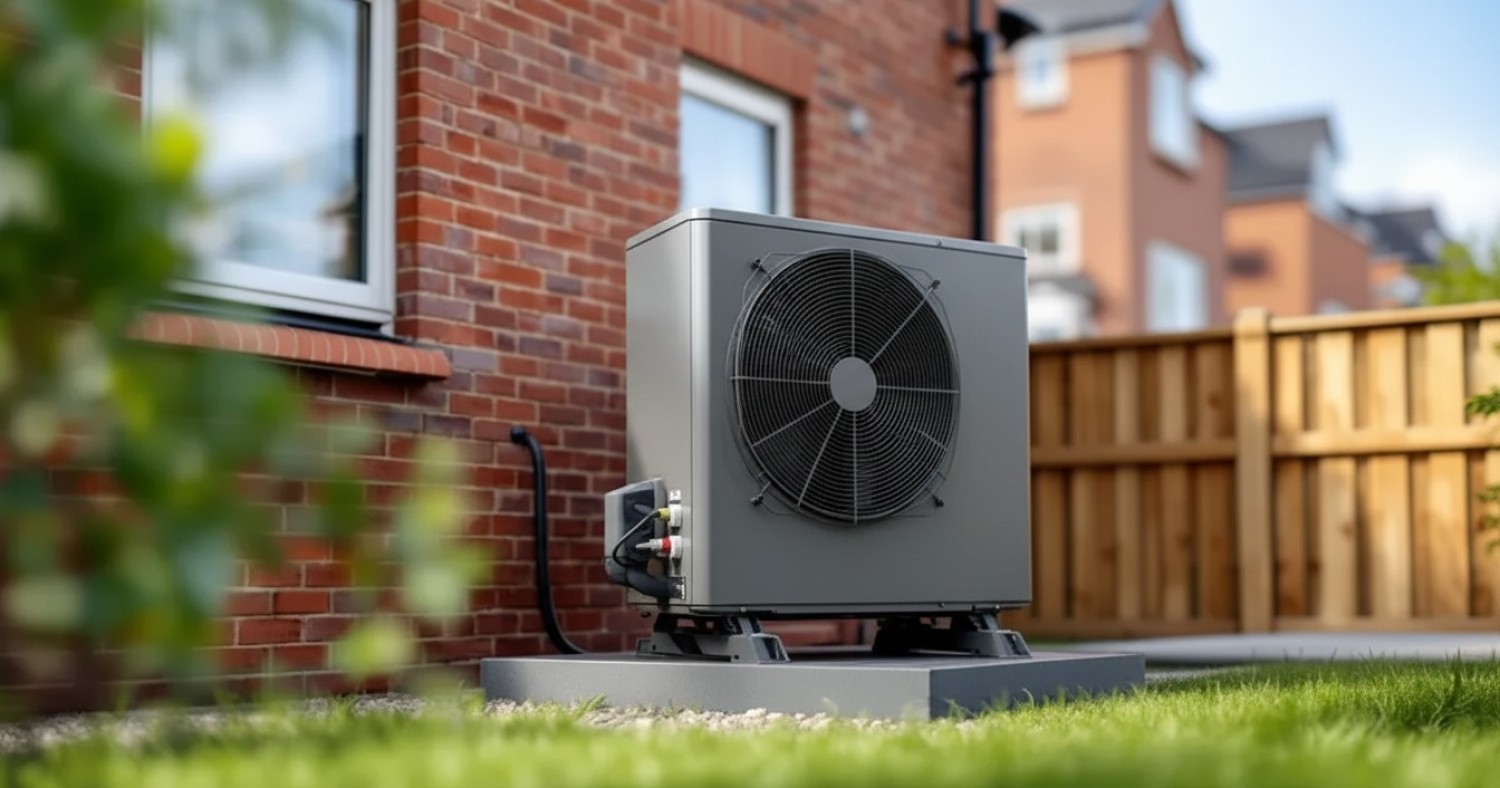
While a fridge takes heat from inside its cabinet and pumps it out into your kitchen to keep your milk cold, an air source heat pump takes heat from the outside air and pumps it into your home to keep you warm. Even when it feels freezing outside, there is still ambient heat in the air. The heat pump captures this energy and upgrades it to a temperature that can heat your radiators, underfloor heating, and hot water.
What is an ASHP and how does it work?
You might see the acronym ASHP thrown around a lot. To answer the question of what is an ASHP directly: it just stands for Air Source Heat Pump.
The way it works is actually quite clever, relying on a basic cycle of physics rather than burning fossil fuels. Here is the straightforward version of what happens inside the box:
- The outdoor unit draws in ambient air using a fan.
- This air passes over a heat exchanger filled with a special refrigerant fluid, which absorbs the heat and turns into a gas.
- A compressor then squeezes this gas. When you compress a gas, its temperature naturally shoots up.
- This concentrated, high-temperature heat is transferred to your home’s heating system and hot water cylinder.
- The refrigerant cools back down into a liquid, and the whole cycle starts again.
Because the system simply moves existing heat rather than creating it from scratch, it is incredibly efficient.
Air source heat pump UK basics
A common concern we hear is whether this technology can actually handle a gloomy British winter. The short answer is yes.
When looking at an air source heat pump UK setup, the system is specifically designed to extract heat from the air even when temperatures drop well below freezing. However, British homes are notoriously unique. We have a lot of older, draughty housing stock compared to our European neighbours.
Because a heat pump provides a gentler, steadier flow of heat compared to the aggressive blast of a gas boiler, your home needs to be able to hold onto that warmth. If your heat is leaking out of the roof as fast as the pump brings it in, you’ll end up with a chilly house and a high electricity bill.
The big question: is an air source heat pump right for your home?
Not every home is perfectly suited for a heat pump straight away. Before you commit, you need to run through a quick "fit check".
Your home's insulation and heat loss
As we mentioned, a heat pump prefers a property that retains warmth. You don't need a perfectly sealed eco-mansion, but you should have decent loft insulation, cavity wall insulation (if applicable), and double glazing. Fixing any obvious draughts is the absolute best first step before installing low-carbon heating.
Radiators vs underfloor heating
Heat pumps are most efficient when they produce water at lower temperatures than a traditional boiler. Because the water isn't as boiling hot, you need a larger surface area to distribute the heat into the room. This means you might need to swap some of your existing radiators for slightly larger ones. Alternatively, heat pumps pair beautifully with underfloor heating, which we also design and install.
Do you have space for the outdoor unit and a cylinder?
You need a suitable spot outside for the heat pump unit. It needs good airflow around it, so it can't be boxed tightly into a tiny alleyway. Inside, most heat pump systems require a hot water cylinder to store your domestic hot water. If you currently have a combi boiler and removed your old airing cupboard years ago, you will need to find space to put a new cylinder.
Noise, neighbours and planning considerations
Modern heat pumps are surprisingly quiet—often no louder than a low hum or the sound of a fridge. However, they still produce some noise, so you shouldn't place the unit directly beneath a bedroom window or right on your neighbour's patio boundary. Most installations fall under permitted development, but there are specific rules regarding noise and placement that we always check during a survey.
Pros and cons (the honest version)
We want you to have the full picture. Here is a balanced look at the reality of owning an ASHP.
The pros:
- High efficiency: They can deliver three to four units of heat for every one unit of electricity used.
- Lower carbon footprint: You aren't burning fossil fuels at home.
- Stable comfort: Because they run constantly at a low level, your home stays at a steady, comfortable temperature all day.
- Future-proofing: You are protecting yourself from the eventual phase-out of gas boilers.
The cons:
- Upfront costs: They are significantly more expensive to install than a straight boiler swap (though government grants can heavily reduce this).
- Disruption: Upgrading radiators or installing a new cylinder can be messy work.
- Space requirements: You need physical room outside for the unit and inside for the hot water tank.
Running costs and efficiency explained
You might hear people talk about "COP" or "SCOP". This stands for Coefficient of Performance (and Seasonal Coefficient of Performance).
In plain English, if a heat pump has a COP of 3, it means for every 1kW of electricity you pay for, you get 3kW of heat into your home. A gas boiler, even a brand new one, operates at about a 0.9 ratio.
However, electricity is currently more expensive per unit than gas. To actually see savings on your running costs, your system needs to be designed perfectly so it runs at maximum efficiency. The goal is lower flow temperatures and longer run times. If the system is sized wrong, it will cost you more to run. That is exactly why a proper, professional heat loss survey is vital.
Common myths we hear (and what's true)
There is a lot of misinformation out there. Let's clear a few things up.
"They don't work in winter." Absolutely false. Millions of homes in Scandinavia use them, and it gets a lot colder there than it does in Rochford.
"They are incredibly noisy." Not anymore. While early models sounded like a tractor, modern units are very quiet. You’ll barely notice it over the sound of the wind or passing traffic.
"You'll never get hot water." A heat pump system will heat your hot water cylinder to a perfectly safe, comfortable temperature for baths and showers. You won't be taking cold showers.
Frequently asked questions
What is an air source heat pump and how is it different from a gas boiler?
A boiler burns fuel (like gas or oil) to create heat. An air source heat pump uses electricity to capture existing heat from the outside air and move it into your home.
Do I need underfloor heating for a heat pump?
No. While they work brilliantly together, a heat pump works perfectly well with standard radiators, provided they are sized correctly for the room.
Will I need bigger radiators for heat pump installation?
Often, yes. Because the heat pump runs at a lower temperature, you need a larger surface area to heat the room effectively. We calculate exactly what size you need during a survey.
Are air source heat pumps noisy?
Modern units typically operate at around 40 to 60 decibels, which is similar to a quiet conversation or a refrigerator.
What is the Boiler Upgrade Scheme and how can I take advantage of it?
The Boiler Upgrade Scheme is a government initiative in the UK designed to help homeowners and landlords transition to low-carbon heating solutions, such as air source heat pumps, ground source heat pumps, or biomass boilers.
The scheme offers financial grants to offset the upfront costs of installing these systems, making it more affordable to switch to renewable energy for heating.
To take advantage of the Boiler Upgrade Scheme, you’ll need to meet certain eligibility criteria, including owning a property in England or Wales. You can apply through an accredited installer who will handle the application process on your behalf. This program aims to lower carbon emissions and support the UK’s goals for a more sustainable future.
What is the difference between air source and ground source heat pumps?
Both air source and ground source heat pumps are efficient, renewable heating solutions that really on natural heat energy, but they differ in how they extract heat. An air source heat pump absorbs heat from the air outside your home, even in cold weather, and transfers it indoors.
Ground source heat pumps, on the other hand, extract heat from the ground using a network of buried pipes. While ground source heat pumps tend to be more efficient in extremely cold climates, they require more space and a higher upfront installation cost compared to air source heat pumps, which are easier and cheaper to install.
How much can I expect to save on my energy bills with an air source heat pump?
The savings depend on your current heating system and energy prices. You'll see significant cost reductions when switching from an electric or oil-based system, as air source heat pumps are far more energy-efficient. Households can save hundreds of dollars annually, especially with proper insulation and government incentives. Heat pumps also reduce your reliance on fossil fuels, leading to greater long-term cost stability as energy prices fluctuate.
Do heat pumps work in freezing or cold weather?
Yes, they can extract heat from the air even when temperatures drop as low as -15°C to -20°C.
How long do they last and do they need servicing?
A well-maintained heat pump can last 15 to 20 years. Like a boiler, they require an annual service to keep them running efficiently and to validate the warranty.
So, is it right for you?
An air source heat pump is a fantastic piece of technology, but it isn't a silver bullet for every single property.
If you have a reasonably well-insulated home, space for the equipment, and a desire to move away from fossil fuels, an ASHP is a brilliant investment. You will enjoy a warm, comfortable house and protect yourself against future gas price hikes.
If you live in a very draughty, uninsulated period property and have no room for a hot water tank, you might need to look at insulation upgrades first, or consider whether a modern, efficient boiler replacement is a more practical step for now.
Ready to chat about heat pumps?
Choosing a new heating system is a big commitment, and you shouldn't have to guess if you are making the right choice.
If you are curious whether a heat pump would work in your home (and what it would actually cost to do it properly), give our team at Pilot Light Plumbing & Heating a ring. As fully Gas Safe registered engineers serving Essex, we can look at your property, run the numbers, and talk you through your options in plain English.
Call us today or use the "Get a quote" option on our website to book a chat. We are always happy to help.


