


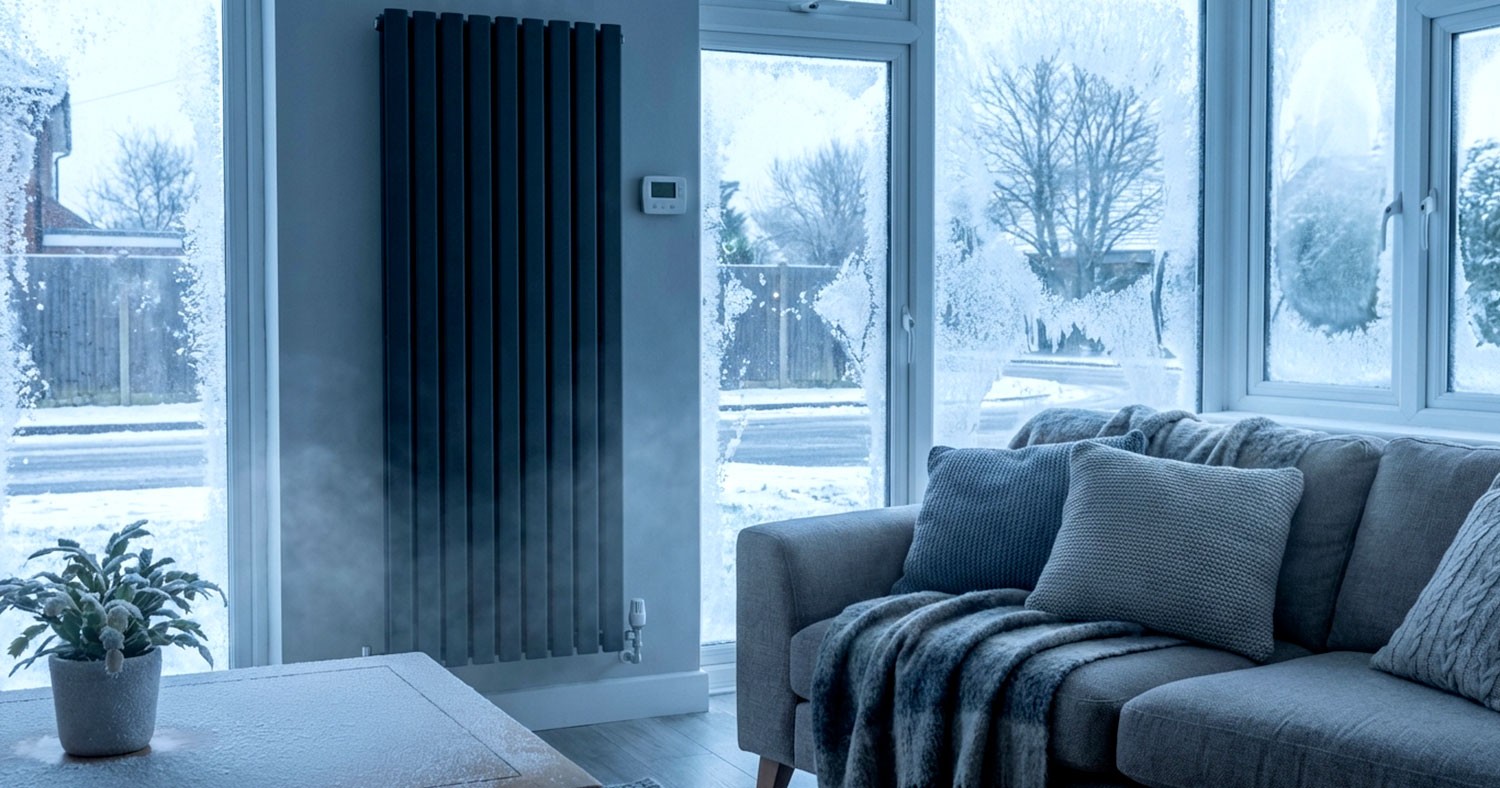
It is a universally acknowledged truth in the UK that your boiler will only break down on the absolute coldest day of the year. One minute you're enjoying a toasty living room, and the next, you're wearing three jumpers, hunting for the hot water bottle and staring blankly at desperately flicking through the boiler manual trying to learn what that flashing error code means.
When your heating system decides to take an unscheduled holiday, it is easy to assume the worst. You might start worrying about massive repair bills or having to replace the entire unit. However, many of the faults that leave you shivering are incredibly common and entirely fixable. As Gas Safe registered engineers at Pilot Light Plumbing & Heating, we spend our winters diagnosing and curing these exact problems across Essex.
This guide covers the most common boiler issues you are likely to encounter. We will explain the symptoms to look out for, the safe checks you can do yourself, and exactly what our engineers do to get your home warm again.
Quick boiler triage -- where to start with your central heating
If you have woken up to a no heating boiler situation, do not reach for the phone just yet. Sometimes the issue is a simple oversight that you can safely fix yourself without opening the boiler casing.
- Check your power supply: Has a fuse tripped? Check your fuse box to ensure the heating circuit hasn't simply flipped off.
- Check for a faulty thermostat: If your thermostat requires batteries, change them. It is surprising how often a "broken boiler" is actually just a dead AA battery. Also, double-check that your heating schedule hasn't been accidentally altered or the thermostat settings haven't been changed.
- Look at the pressure gauge: Most systems need to be sitting between 1 and 1.5 bar. If the needle has dropped into the red zone, your boiler will automatically shut down for safety.
- Check the condensate pipe: If the weather outside is below freezing, the white plastic pipe exiting your wall might be blocked with ice.
If you have tried these safe basics and your system is still not playing ball, resetting the unit twelve times isn't a strategy—it's a prayer. It is time to call in a professional.
Common boiler issues we see in UK homes
When we attend a breakdown, we usually find one of a few usual suspects causing the trouble. Here is a breakdown of the most frequent boiler problems in the UK and how we get them sorted.
No heating but hot water (or the other way around)
Symptoms: Your radiators are freezing cold, but the hot taps work perfectly. Alternatively, your heating is blazing, but your shower is freezing.
What is going on: If you have a combi boiler, the culprit is usually a stuck or broken diverter valve. This little mechanism acts like a train track switch, directing the hot water either to your radiators or to your taps. If it gets jammed, the heat only goes in one direction. For system boilers, it might be a faulty zone valve or a wiring issue with your thermostat.
The engineer fix: We will test your heating controls and actuators to isolate the fault. If the diverter valve has given up the ghost, we will safely drain the boiler, remove the broken part, and fit a shiny new one before recommissioning the system.
Boiler pressure keeps dropping
Symptoms: You keep having to top up your boiler pressure, but a few days later, it falls right back down and the system locks out.
What is going on: Water is escaping from your closed heating loop. This could be a tiny, hidden leak under your floorboards, or a problem inside the boiler itself. Often, the expansion vessel has lost its charge, causing the pressure relief valve (PRV) to open and dump water outside to protect the system.
The engineer fix: We will trace the pipework to hunt down any sneaky leaks. Inside the boiler, we will test the expansion vessel and recharge it with air if necessary. If the PRV is damaged from constantly discharging water, we will replace it to keep your pressure stable.
Leaks and drips (the mystery puddle)
Symptoms: You spot a damp patch under your boiler or notice water pooling near the pipework.
What is going on: Over time, the internal seals within a boiler dry out, degrade, and eventually fail. Alternatively, older pipework might have corroded, or the condensate trap might be cracked or blocked.
The engineer fix: A leaking boiler should never be ignored, especially if water is dripping near electrical components. We will isolate the unit, open the casing safely, and inspect the internal seals and valves. We will then replace the worn components, run a pressure test, and ensure everything is completely watertight.
Strange boiler noises (kettling, banging and gurgling)
Symptoms: Your boiler sounds like a boiling kettle, a low-flying helicopter, or a haunted house complete with groans and whistling.
What is going on: Gurgling usually means trapped air in your radiators. A kettling noise—which literally sounds like a kettle boiling over—happens when limescale or thick black sludge builds up on the heat exchanger. This restricts the water flow, causing the water to boil, turn to steam, and expand violently.
The engineer fix: If bleeding the radiators doesn't stop the gurgling, the system needs a deep clean. We can add protective chemical inhibitors to break down the grime. For severe sludge build-ups, we perform a thorough system flush to clear the pipework and restore the heat exchanger's efficiency.
Frozen condensate pipe
Symptoms: It is a freezing January morning, your boiler is displaying a fault code, and you have no heating or hot water. You might also hear a gurgling sound coming from the unit.
What is going on: Modern condensing boilers produce a small amount of acidic wastewater that drains outside through a white plastic pipe. When temperatures plummet, this slow-drip water can freeze solid, blocking the pipe. The boiler detects the blockage and shuts down to prevent flooding itself.
The engineer fix: While you can gently pour warm (never boiling) water over the exterior pipe to thaw it safely, repeated freezing requires a permanent solution. We can clear the blockage, lag the pipe with proper outdoor insulation, or even reroute the pipework internally so it never freezes again.
Radiators cold at the bottom
Symptoms: The top of your radiator is hot, but the bottom is stone cold.
What is going on: This is a classic sign of magnetite sludge. Over time, the metal inside your radiators rusts and mixes with the heating water to form a heavy, black muck. Because it is heavy, it settles at the bottom of your radiators, blocking the hot water from circulating properly.
The engineer fix: We will assess the water quality in your system. We can clear the blockage using chemical cleaners and a central heating flush. To stop it happening again, we highly recommend fitting a magnetic system filter, which catches the rust before it can settle.
Frequently asked questions
What should I check first if I’ve got a no heating boiler?
Always check your thermostat batteries, ensure the electrical spur is switched on, and verify that your boiler pressure is sitting above 1 bar. If those three things are fine, it is best to call a professional.
Is low boiler pressure dangerous?
No, low pressure is not dangerous. Modern boilers are packed with safety sensors and will simply shut themselves down if the pressure drops too low. It is inconvenient, but it won't cause any harm to your home.
Do I need a Gas Safe engineer for boiler repairs?
Absolutely. It is illegal and highly dangerous for anyone who is not on the Gas Safe Register to remove the casing of a gas boiler, tinker with its internal workings or work around your home's gas supply. Always ask to see an engineer's Gas Safe ID card.
How often should a boiler system be serviced?
You should have your boiler and central heating system serviced once a year. An annual service catches tiny faults before they turn into expensive winter breakdowns. It is also a strict requirement to keep your manufacturer's warranty valid.
Is it worth repairing an old boiler or replacing it?
If your boiler is over ten years old and frequently breaking down, repairing it is often a false economy. Newer models are vastly more energy-efficient. We install high-quality boilers from trusted manufacturers, complete with long warranties to give you peace of mind.
Need help with boiler problems in Essex?
Dealing with heating issues is stressful, but getting it sorted shouldn't be. Whether you are battling a mystery leak, strange noises, or a complete system failure, our expert team at Pilot Light Plumbing & Heating is ready to help.
As local, Gas Safe registered engineers covering Rochford, Essex, and the surrounding areas, we pride ourselves on fast, reliable, and honest service. If your current system is beyond saving, we also offer complete boiler installations, underfloor heating, and air source heat pump upgrades, with flexible finance options available subject to status.
Don't sit in the cold hoping the problem will fix itself. Get in touch with us today to request a free, no-obligation quote or to book an engineer visit.


