


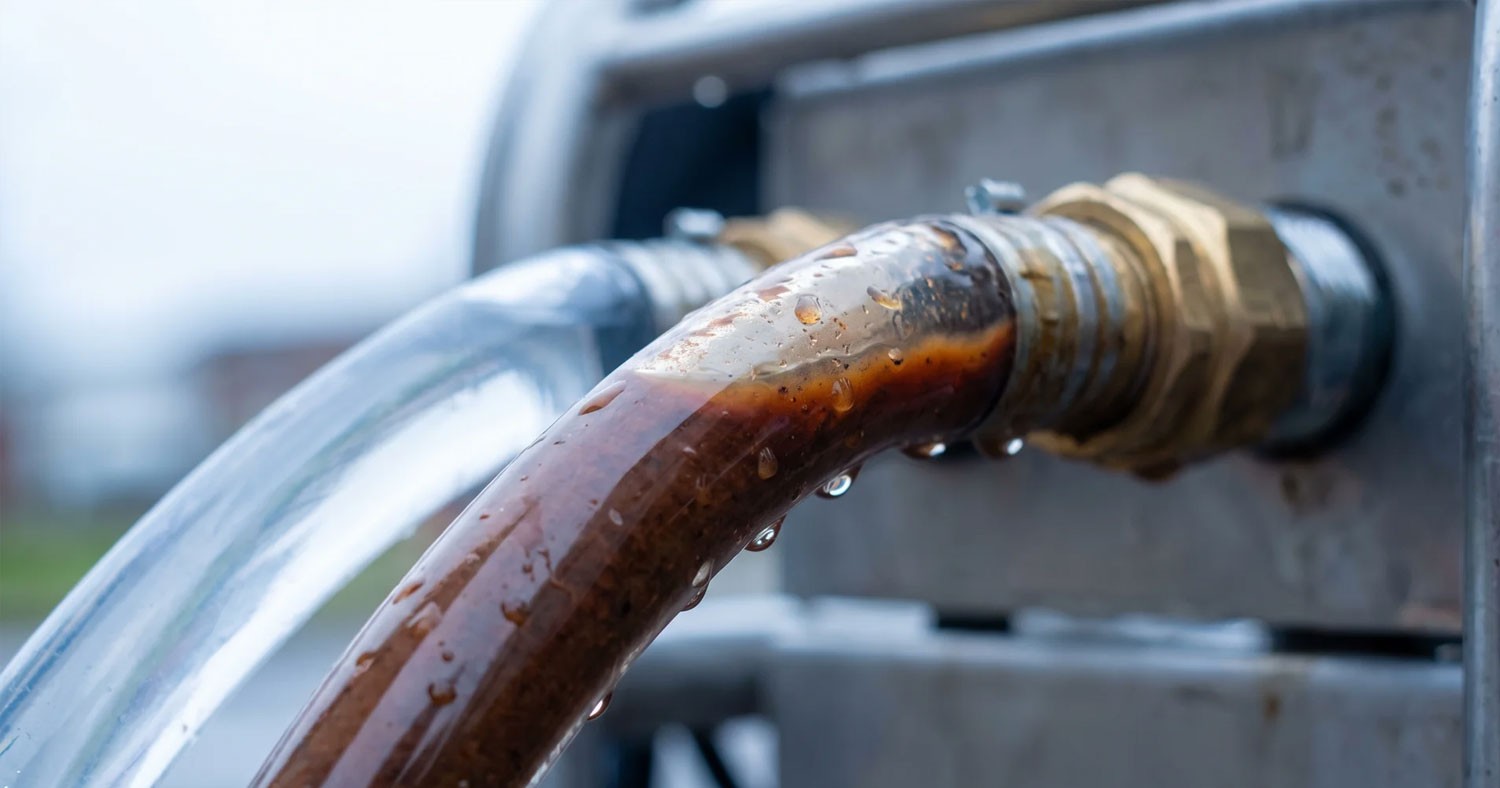
Quick answer: Power flushing your heating system removes the sludge and rust that build up inside radiators and pipes over time. In the UK, the main benefits include more even heat, faster warm-up times, a quieter boiler, better efficiency, and fewer breakdowns. You likely need one if you've got cold spots, dirty bleed water, or noisy pipes.
You know the scene. One radiator is roasting hot, the one next door barely gets warm, and your boiler's making noises like a kettle that's had a rough night. Meanwhile, your heating bills keep creeping up and nobody can quite explain why. Sound familiar?
More often than not, the culprit isn't a dying boiler. It's sludge — a gunky mix of rust and debris quietly clogging up your central heating system. And when that happens, a power flush can be a proper game-changer.
At Pilot Light Plumbing & Heating, we've seen this story play out in homes across Essex more times than we can count. So let's break down what power flushing actually is, the signs that you need one, and whether it's the right fix for your home.
What is power flushing (and what does it do to your heating system)?
Power flushing is a deep clean for your central heating. We connect a specialist machine to your system and push water — mixed with cleaning chemicals — through your pipes and radiators at high velocity. That force dislodges the sludge, rust, and debris that have settled inside over the years.
It's worth clearing up a common mix-up: power flushing isn't the same as simply draining your system down or giving it a quick rinse. It's a thorough, methodical process that cleans each radiator in turn until the water runs clear. Once it's done, we add a corrosion inhibitor to help protect the system going forward.
Think of it as the difference between wiping a plate with a dry cloth and actually washing it up properly.
Why heating systems get sludged up in the first place
Here's the not-so-glamorous truth. The inside of your steel radiators slowly corrodes over time. That rust mixes with the water in your system and creates a dark, muddy substance called magnetite — or as most of us in the trade call it, sludge.
This sludge is heavier than water, so it sinks and settles at the bottom of radiators and in the pipework. Left alone, it restricts flow, blocks components, and generally makes your heating work far harder than it should. Consider it a bit like cholesterol for your radiators.
A few things speed the process up:
- Oxygen getting into the system, often through tiny leaks or frequent pressure top-ups
- Low or missing inhibitor, which is the chemical that slows corrosion down
- Mixed metals in older systems reacting with each other
- Age and neglect — the longer a system runs without a clean, the more builds up
That's why older and poorly maintained systems tend to suffer most.
Benefits of power flushing your heating system (the ones you'll actually notice)
When a system genuinely needs it, power flushing can make a real difference to daily life at home. Here's what you can expect:
- More even heat across your radiators. No more one room feeling tropical while another stays arctic.
- Faster warm-up times. With sludge cleared out, hot water circulates freely, so your home reaches temperature quicker.
- A quieter system. Those banging, gurgling, and kettling noises are often caused by sludge. Clear it, and your boiler tends to settle down.
- Better efficiency and potentially lower bills. A clean system doesn't have to work as hard, which can reduce energy use over time.
- Fewer breakdowns. Sludge is abrasive and wears out pumps and valves. A clean system puts far less strain on those parts.
- A longer lifespan for your boiler. This matters especially if you're fitting a new one — you don't want a shiny new boiler pumping dirty water round day one.
We use cautious language here on purpose. Results depend on the state of your system, so we won't promise you'll slash your bills in half overnight. But the improvements are usually noticeable.
Signs heating needs power flushing
Not sure whether sludge is your problem? Here's a quick checklist of the tell-tale signs:
- Radiators cold at the bottom but warm at the top — a classic sign sludge has settled at the base
- The whole house takes ages to heat up despite the boiler running flat out
- Banging, ticking, or gurgling noises from the boiler or pipes
- Dirty, brown or black water when you bleed a radiator
- Radiators still patchy after bleeding — if trapped air isn't the issue, debris usually is
- Recurring faults, like a pump that keeps seizing or valves that stick
- One or two rooms that never quite feel warm, no matter what you do with the thermostat
Now, a quick word of reassurance. Don't panic if you're ticking a few of these boxes. Cold spots and odd noises can also be caused by trapped air, poor balancing, or a faulty valve — issues that are often much simpler and cheaper to sort. That's exactly why a proper assessment matters before anyone starts flushing.
Do I need to power flush my heating system, or will a different fix do?
Great question — and honestly, a power flush isn't always the answer. Here's a rough guide:
- A chemical flush might be enough if your system's in generally good nick and you just want a preventative clean. It's gentler and less involved.
- Balancing or a new valve could solve the problem if only one radiator's misbehaving and the water's clean.
- A power flush is the right call when there's heavy sludge, several cold radiators, dirty bleed water, or parts that keep failing.
We'd always rather inspect a system and tell you honestly what it needs, than talk you into a job that won't fix the problem. Sometimes the cheap fix is the right fix.
What happens during a power flush (step by step)
Curious about what you're actually paying for? Here's how our team approaches it:
- Initial checks — we look at your system's condition, boiler type, and number of radiators.
- Protecting your home — floors and furnishings get covered before anything else happens.
- Connecting the machine — the power flushing unit is hooked into the system, usually at the pump or boiler.
- Flushing radiator by radiator — we circulate cleaner in both directions and work through each radiator, sometimes with a bit of gentle tapping to shift stubborn build-up.
- Running until clear — once the water runs clean, we know the sludge is gone.
- Adding inhibitor — we refill and treat the system to protect it going forward.
- Final checks — pressure, heat-up, and a quick look for any leaks.
Because this work happens around gas boilers and sealed systems, it should always be done by a qualified engineer. Which brings us neatly to a point we'll return to shortly.
How often should I power flush my heating?
There's no rigid rule here, whatever anyone tells you. As a general ballpark, most heating engineers suggest every 5 to 10 years. But the honest answer is: it depends.
The right interval hinges on:
- The age of your system — older setups sludge up faster
- Whether you've got inhibitor in there and topped it up
- Whether a magnetic filter is fitted to catch debris
- Your maintenance history generally
Rather than flushing on a strict schedule, we prefer a proactive approach: keep an eye on how the system's behaving and act when the signs appear. If everything heats evenly and quietly, you may not need one for a good while yet.
Is heating power flushing expensive in the UK?
The cost of a power flush varies quite a bit, and it's driven by a handful of factors:
- The number of radiators — more radiators means more time
- How bad the sludge is — heavily blocked systems take longer to clear
- Access and complexity — awkward setups add time
- Your system type — combi, system, or regular boilers can differ
- Extras — fitting a magnetic filter or adding inhibitor
- Any remedial work discovered along the way, like a seized valve or failing pump
It's worth weighing the cost against the alternative. Ignoring a sludged-up system tends to mean higher bills, more breakdowns, and parts wearing out early — sometimes even a premature boiler replacement. Viewed that way, a flush often pays for itself.
How to keep your heating system cleaner for longer
Once your system's clean, a little upkeep goes a long way:
- Make sure inhibitor's in the system and topped up after any drain-down work
- Consider a magnetic filter, which catches rust particles before they cause trouble — just remember to have it cleaned regularly
- Book an annual boiler service so small issues get spotted early
- Don't ignore cold spots or pressure drops — they're your system's way of waving a red flag
Frequently asked questions
Do I need to power flush my heating system?
Not always. You likely need one if you've got cold spots at the bottom of radiators, dirty bleed water, noisy pipes, or recurring faults. If your heating runs evenly and quietly, you probably don't need one yet. The safest bet is a professional assessment.
How long does a power flush take?
Most jobs take somewhere between 4 and 8 hours, depending on the size of your property and how sludged up the system is. A small flat will be quicker; a large house with a badly blocked system takes longer.
Is heating power flushing expensive?
It's an investment, but the cost depends on your number of radiators, the severity of the sludge, and any extras like a magnetic filter. When you factor in the breakdowns and inflated energy bills a dirty system causes, a flush is often money well spent.
How often should I power flush my heating?
Roughly every 5 to 10 years is a common guideline, though it really depends on your system's age, condition, and whether it's protected with inhibitor and a magnetic filter.
Will a power flush fix cold radiators?
If the cold spots are caused by sludge — typically cold at the bottom, warm at the top — then yes, a power flush usually sorts it. If the cause is trapped air or poor balancing, a simpler fix may do the job instead.
Can power flushing damage my boiler or radiators?
Done properly, it shouldn't. A power flush uses high water flow at low pressure, so it isn't forcing anything through your pipes. On older, heavily corroded systems it can occasionally expose an existing weak spot or leak — but that's a pre-existing problem being revealed, not one being created. A good engineer will assess the system's condition first.
Do I need to add inhibitor after power flushing?
Yes, and it's not optional in our book. Inhibitor protects the inside of your newly cleaned system and slows down future corrosion. Skipping it is a bit like washing your car and then leaving it out in the rain — you undo the good work.
Ready to warm up to a cleaner system?
If your radiators are playing favourites, your boiler's making a racket, or your home just won't warm up like it used to, we'd love to help you get to the bottom of it.
At Pilot Light Plumbing & Heating, we're Gas Safe registered and cover homes right across Essex and the surrounding areas. We're known for being prompt, reliable, and genuinely straight with our customers — if a power flush isn't the right fix, we'll tell you.
Tell us what your system's doing — the cold spots, the odd noises, the slow warm-ups — and we'll advise whether a power flush is actually what you need. Give us a call, drop us an email, or request a quote through our website, and let's get your heating running the way it should.


